
One Prompt AI Book: can Gemini 2.5 write a book in a single prompt?
Testing whether Gemini 2.5's 65K token output limit can produce a full book from one prompt. Spoiler: Anthropic did it better.
Page 4 of 12 · 138 posts total
Testing whether Gemini 2.5's 65K token output limit can produce a full book from one prompt. Spoiler: Anthropic did it better.

An experiment generating a 100+ page fictitious travel memoir with Sonnet 3.7 from a single prompt, featuring a magical talking sloth.

Test prompts and notes exploring cultural bias, censorship, and worldview differences across Western and Eastern large language models.
A collection of system prompts for intentionally weird and funny AI characters, designed for speech-to-speech platforms.

A fun experiment setting up two AI agents with conflicting secret missions and watching them try to interrogate each other.
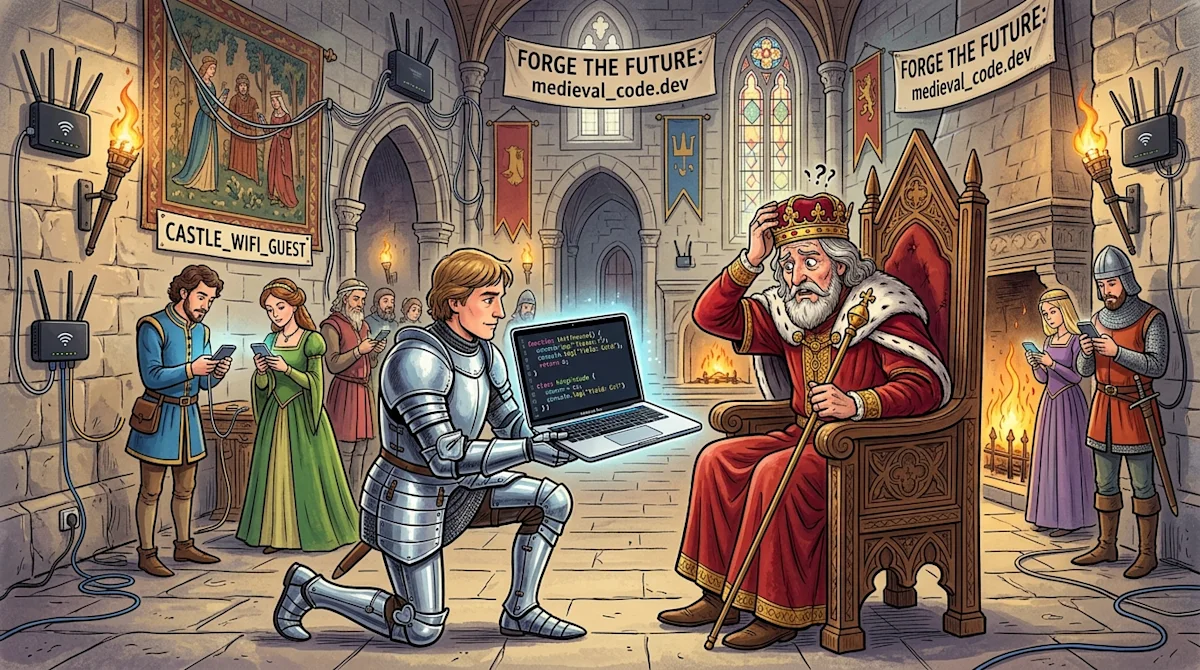
Planning notes for a multi-subagent system that turns AI code generation into structured learning opportunities, not just output.

Exploring the idea of using AI code generation tools not just to write code, but as structured tutors that teach you what they did and why.

An AI-powered tool built with Google AI Studio to help people explore and plan career pivots using Gemini's capabilities.
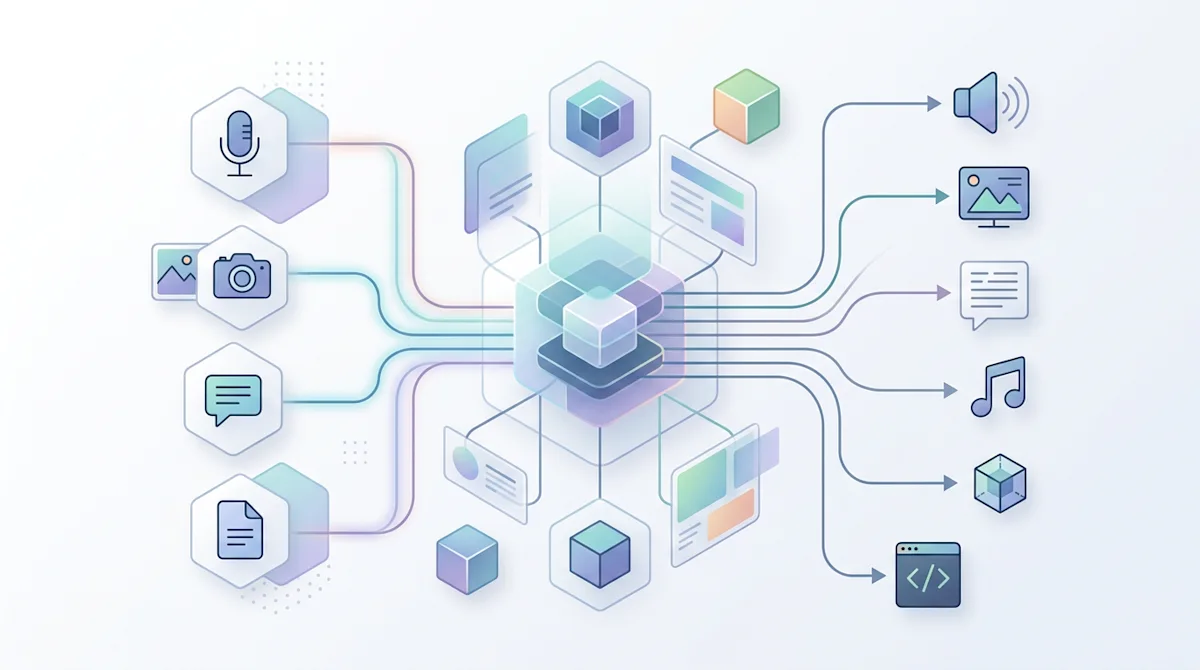
AI platforms make it hard to filter models by multimodal capabilities. I built an open-source taxonomy that maps which inputs produce which outputs.

I built a body language analysis app using Google AI Studio's vibe coding interface and Gemini's multimodal vision. Upload a photo, get expert-level analysis.

I built an AI agent that goes undercover to test other LLMs - probing for biases, guardrails, knowledge cutoffs, and behavioral patterns.

Claude Code isn't just for writing software. I've been collecting projects that use it for research, writing, budgeting, therapy tracking, and more.