
Let me say upfront: this project is not going to solve the Middle East. The name is deliberately ambitious (and a bit tongue-in-cheek), because the actual goal is much more modest — it's an experiment in whether AI agents configured as synthetic diplomatic actors can surface interesting dynamics, test negotiation frameworks, or at least provide a cheap sandbox for thinking through complex scenarios.
The premise
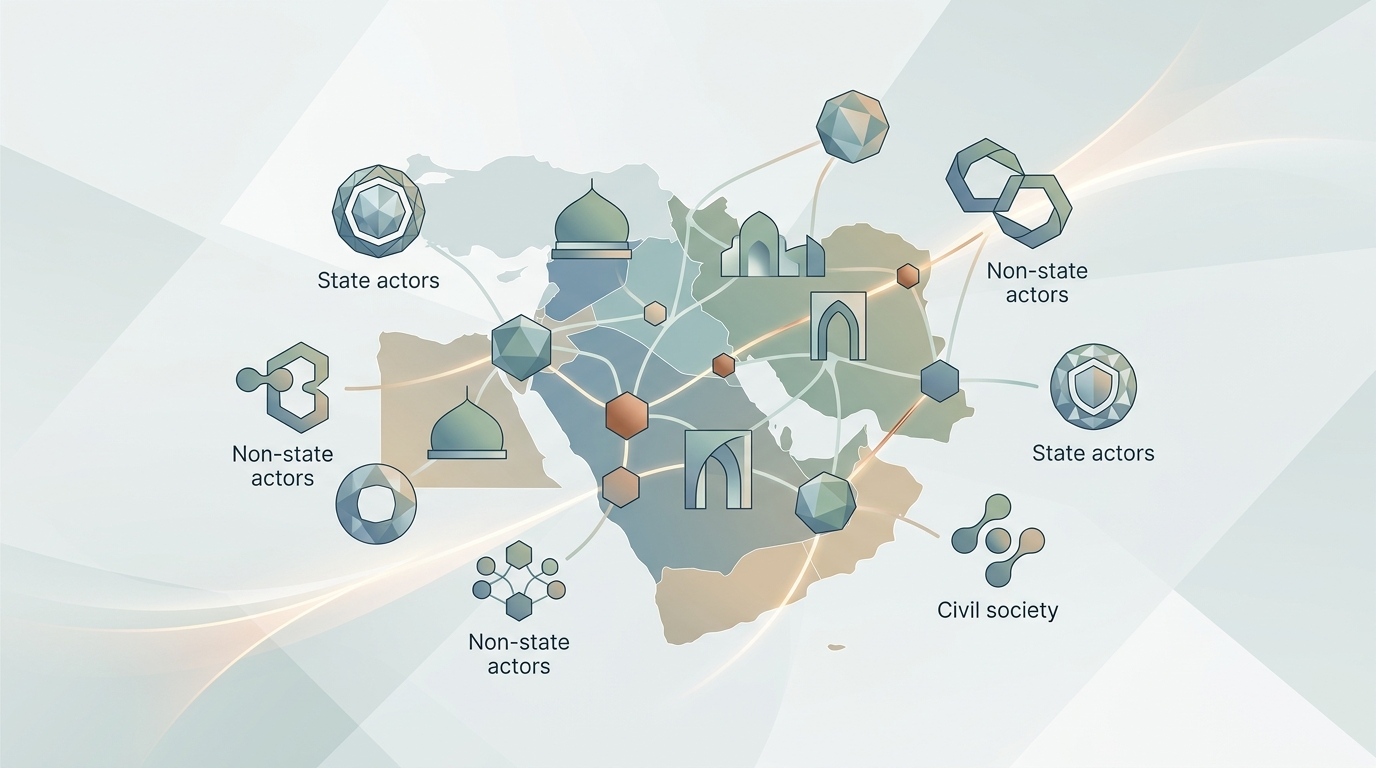
PITME (Peace In The Middle East) uses AI agents that embody state actors, non-state actors, and civil society representatives. The agents are configured to represent political entities and worldviews — never specific named individuals — but they shadow real political positions and start from geopolitical reality rather than idealized versions of it.
The simulation includes multiple chambers: a plenary for full assembly, a government chamber for state representatives, a people-to-people forum for civil society and faith groups, and working groups for issue-specific committees. Critically, all proceedings are recorded — unlike real diplomacy, there are no closed doors.
Why bother?
The cost argument is interesting. A single one-day summit involving heads of state can cost tens of millions of dollars. That same budget could run API calls for a very long time. Real summits are also constrained by political pressure around "normalization," grassroots dialogue goes unrecorded, and protracted conflicts exhaust even motivated mediating parties.
I'm not claiming AI diplomacy is a substitute for the real thing. But as someone living in Israel, the conflict isn't abstract to me, and I find value in exploring whether synthetic dialogue can reveal dynamics that get lost in traditional formats. Even if the outputs are imperfect, the exercise of designing representation rules, structuring multi-party negotiations, and analyzing the results teaches you a lot about how these processes work.
The project is in early development and fully open source. It's a small experiment in synthetic dialogue — nothing more, nothing less.